Educational Insights on Natural Ingredients
Explore the world of natural components in daily lifestyle and nutrition
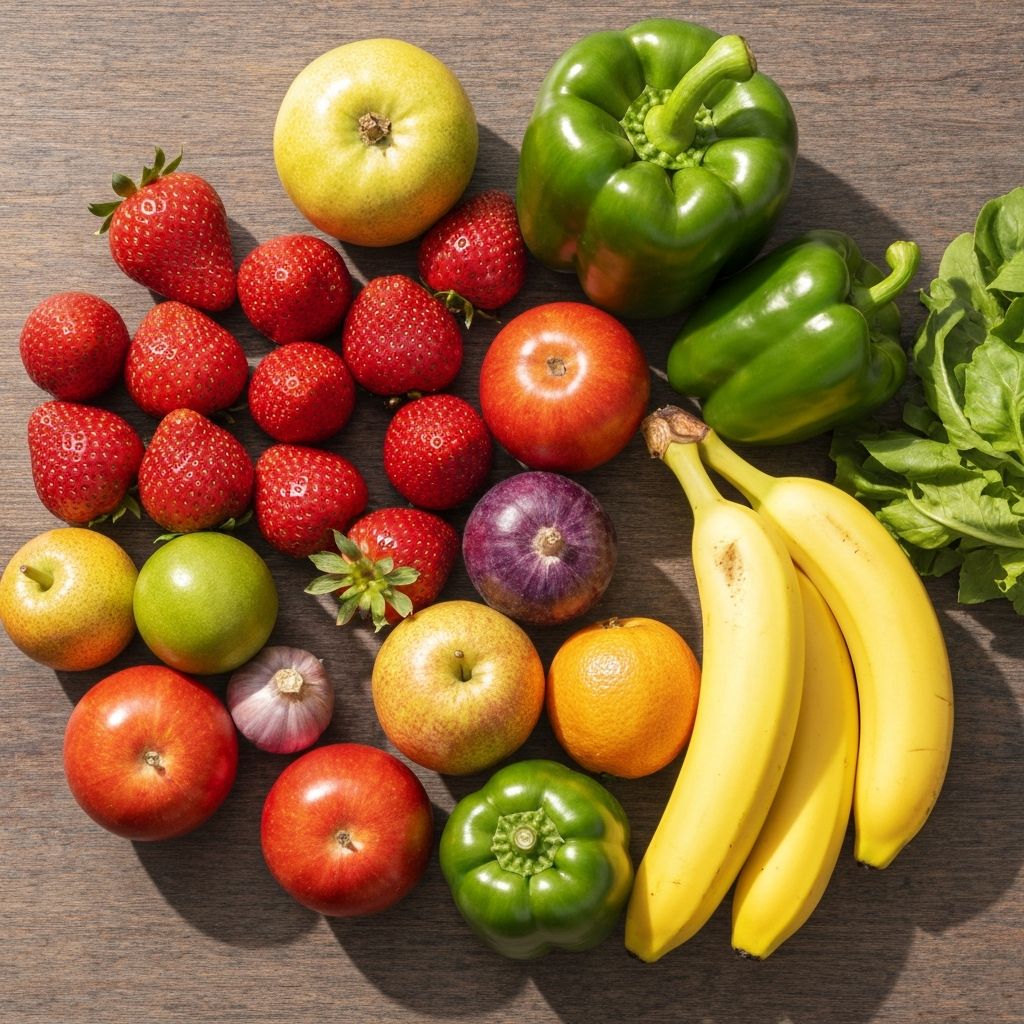
Introduction to Daily Natural Habits
Natural ingredients have been part of human nutrition and daily practices for centuries. Understanding how various components work in the body helps individuals make informed choices about their lifestyle.
This educational resource explores the science behind natural nutrition, cultural traditions, and the role of plant-based ingredients in supporting general wellbeing. The content presented here is informational and designed to explain concepts rather than provide personal recommendations.
Different cultures around the world have developed unique approaches to incorporating natural elements into daily routines. These practices reflect diverse perspectives on health and wellness.

Energy-Boosting Ingredients Overview
Certain natural ingredients are known for their nutrient content that supports energy levels throughout the day. These include vitamins, minerals, and plant compounds found in whole foods.
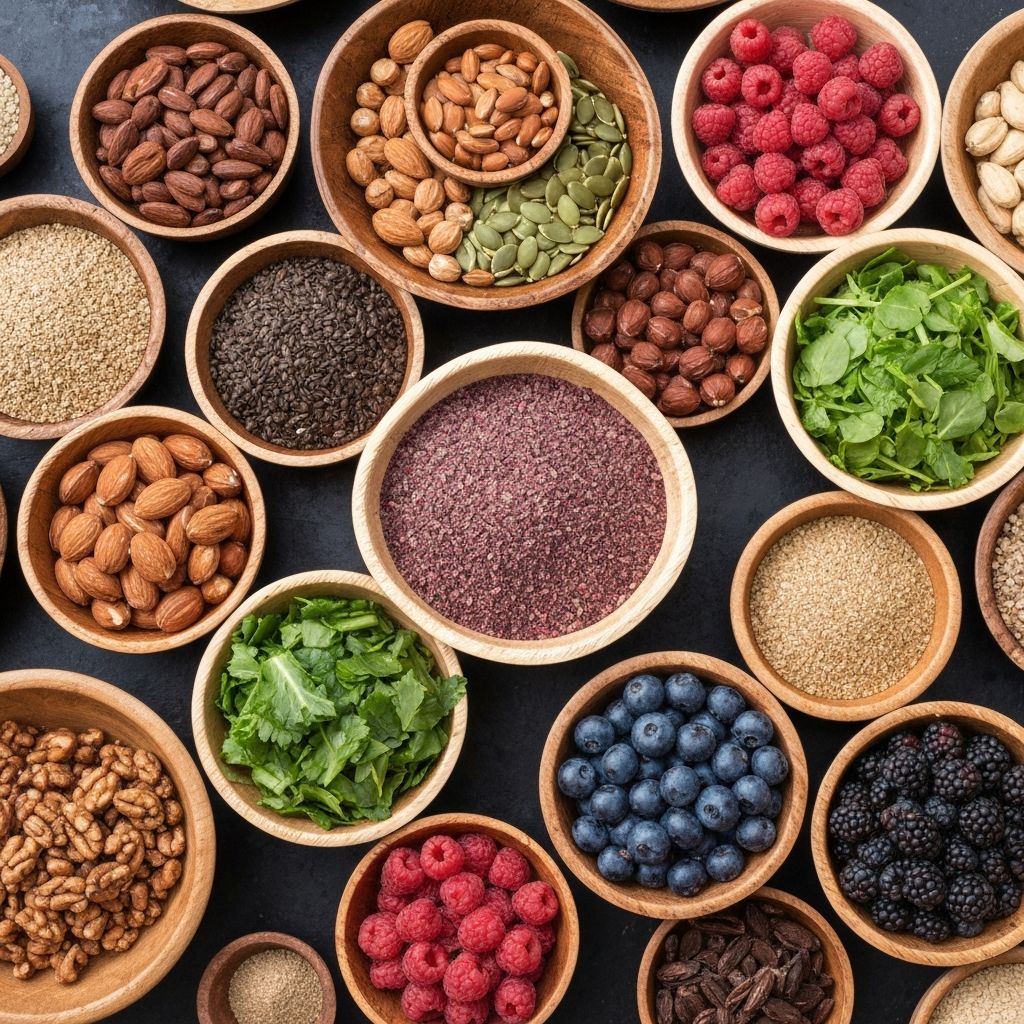
- Leafy greens contain iron and B vitamins that play a role in energy metabolism
- Nuts and seeds provide healthy fats and protein for sustained energy
- Berries offer antioxidants and natural sugars for quick fuel
- Whole grains deliver complex carbohydrates for steady energy release
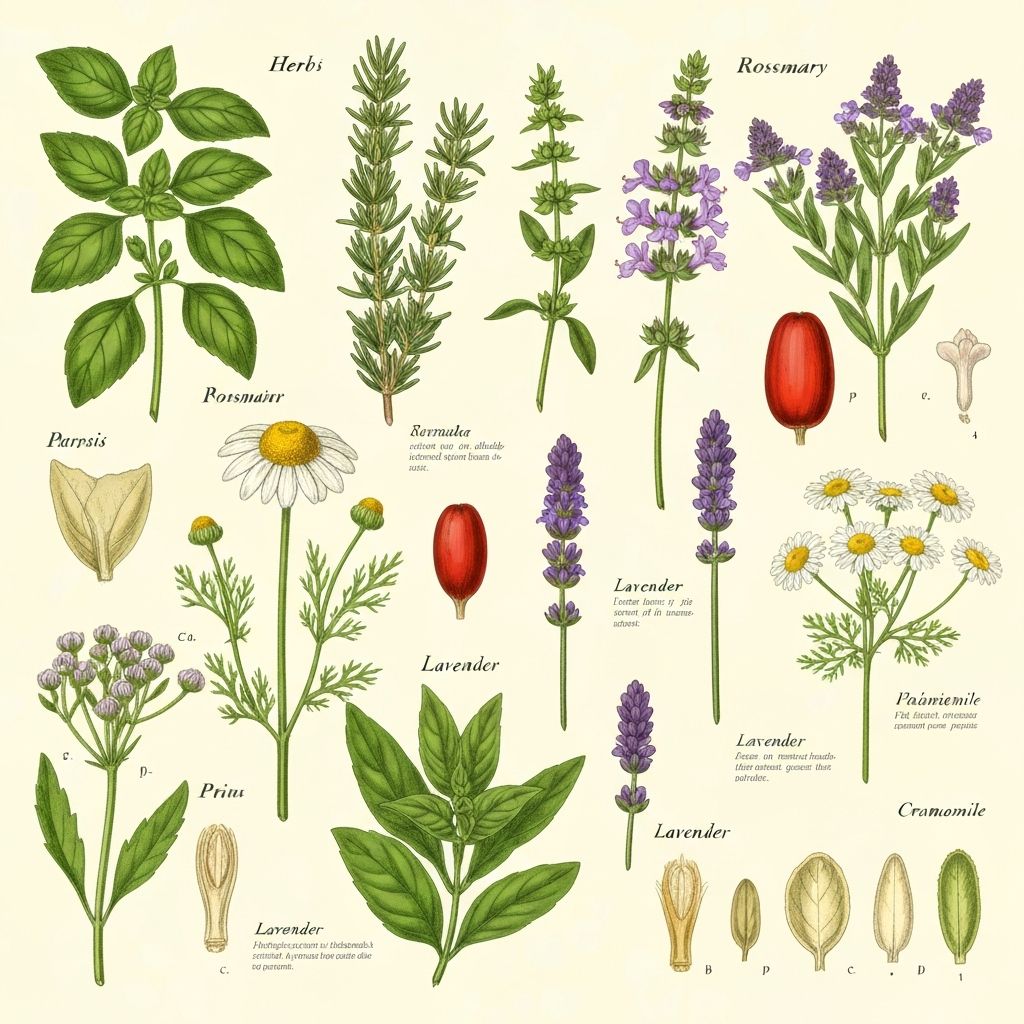
- Herbs and spices contribute bioactive compounds with various properties
Understanding the nutritional composition of these ingredients helps explain why they are commonly included in balanced diets worldwide.
Practical Tips for Balance and Vitality
Maintaining vitality involves multiple aspects of daily life, including nutrition, physical activity, rest, and stress management. Natural ingredients can be part of a comprehensive approach to general wellbeing.
Nutritional Considerations
A varied diet that includes different food groups ensures adequate intake of essential nutrients. Plant-based ingredients offer fiber, vitamins, and minerals that support bodily functions.
Daily Routines
Consistency in eating patterns, sleep schedules, and physical activity contributes to overall balance. Many traditional practices emphasize regularity and moderation.
These principles are educational in nature and reflect common knowledge about lifestyle factors. Individual needs and circumstances vary widely.
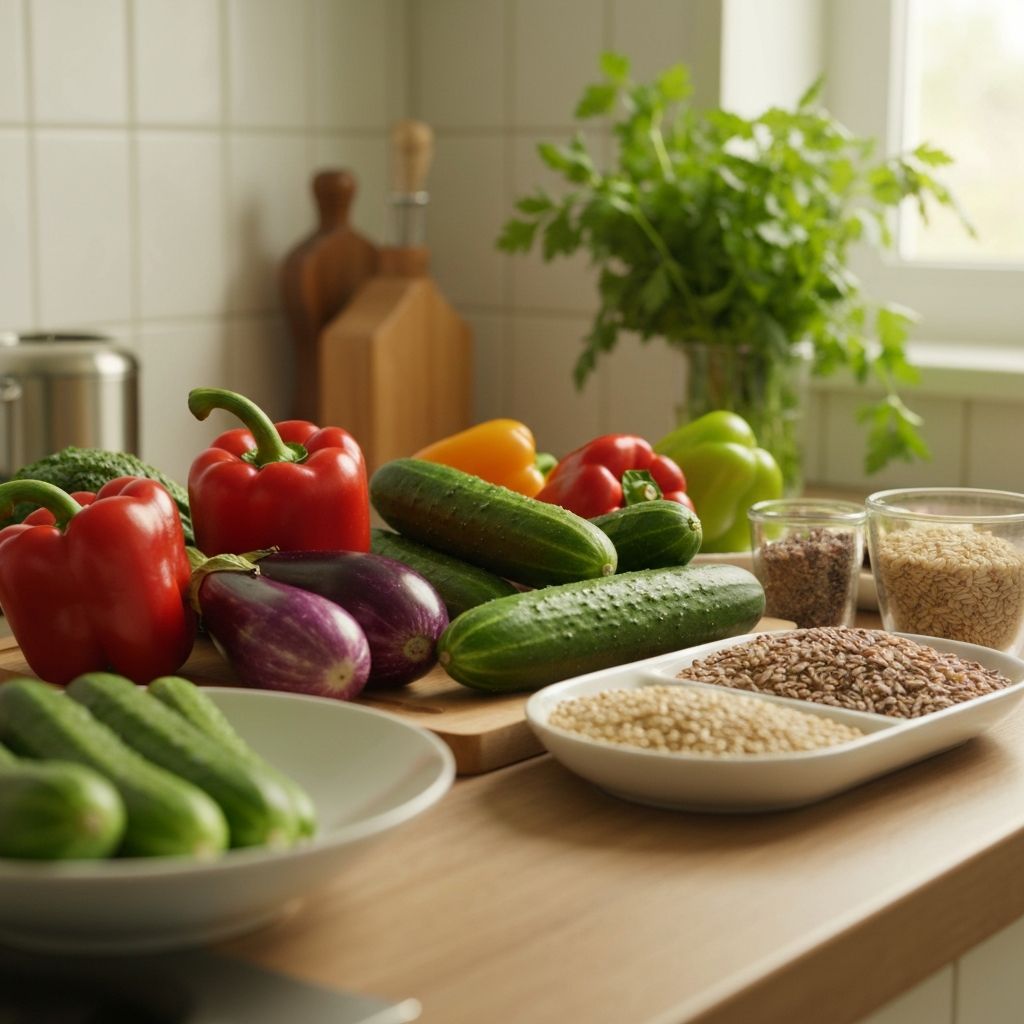
Lifestyle Routines
Morning Practices
Many cultures incorporate specific foods or beverages into morning routines. These may include herbal teas, fresh fruits, or whole grain preparations that provide nutrients to start the day.
Midday Nutrition
Balanced midday meals typically include a combination of protein sources, vegetables, and complex carbohydrates. This approach supports sustained energy throughout the afternoon.
Evening Habits
Evening routines often emphasize lighter foods and calming practices. Certain herbs and ingredients are traditionally associated with relaxation and rest preparation.
Scientific Explanations of Natural Components
Natural ingredients contain various compounds that interact with biological systems. Scientific research has identified many of these components and studied their properties.
Vitamins and Minerals
Essential micronutrients found in plant-based foods support numerous bodily functions, from immune response to cellular energy production. Different ingredients provide different nutrient profiles.
Phytonutrients
Plant compounds such as flavonoids, carotenoids, and polyphenols have been subjects of nutritional research. These substances occur naturally in fruits, vegetables, and herbs.
Macronutrients
Proteins, carbohydrates, and fats from natural sources provide energy and building blocks for body tissues. The quality and composition of these macronutrients vary among different foods.
Myths vs Facts
Common Misconceptions
Myth: Natural ingredients always work the same way for everyone.
Fact: Individual responses to foods and ingredients vary based on genetics, lifestyle, and overall health context.
Myth: More of a beneficial nutrient is always better.
Fact: Balance and moderation are key principles in nutrition. Excessive intake of even beneficial nutrients can have drawbacks.
Myth: Natural always means safe and effective.
Fact: Natural substances can have potent effects and may interact with other factors. Knowledge and context are important.
Evidence-Based Understanding
Scientific research on nutrition involves controlled studies, peer review, and replication. Understanding research methodology helps evaluate claims about natural ingredients.
Nutritional science recognizes that food effects occur within complex biological systems. Isolated components may behave differently than whole foods.
Cultural and traditional knowledge about natural ingredients represents accumulated experience, while modern research provides mechanistic explanations. Both perspectives contribute to comprehensive understanding.
Cultural Context of Nutrition
Different cultures have developed distinct approaches to nutrition and natural ingredients based on available resources, climate, and traditional knowledge.
Indonesian Traditions
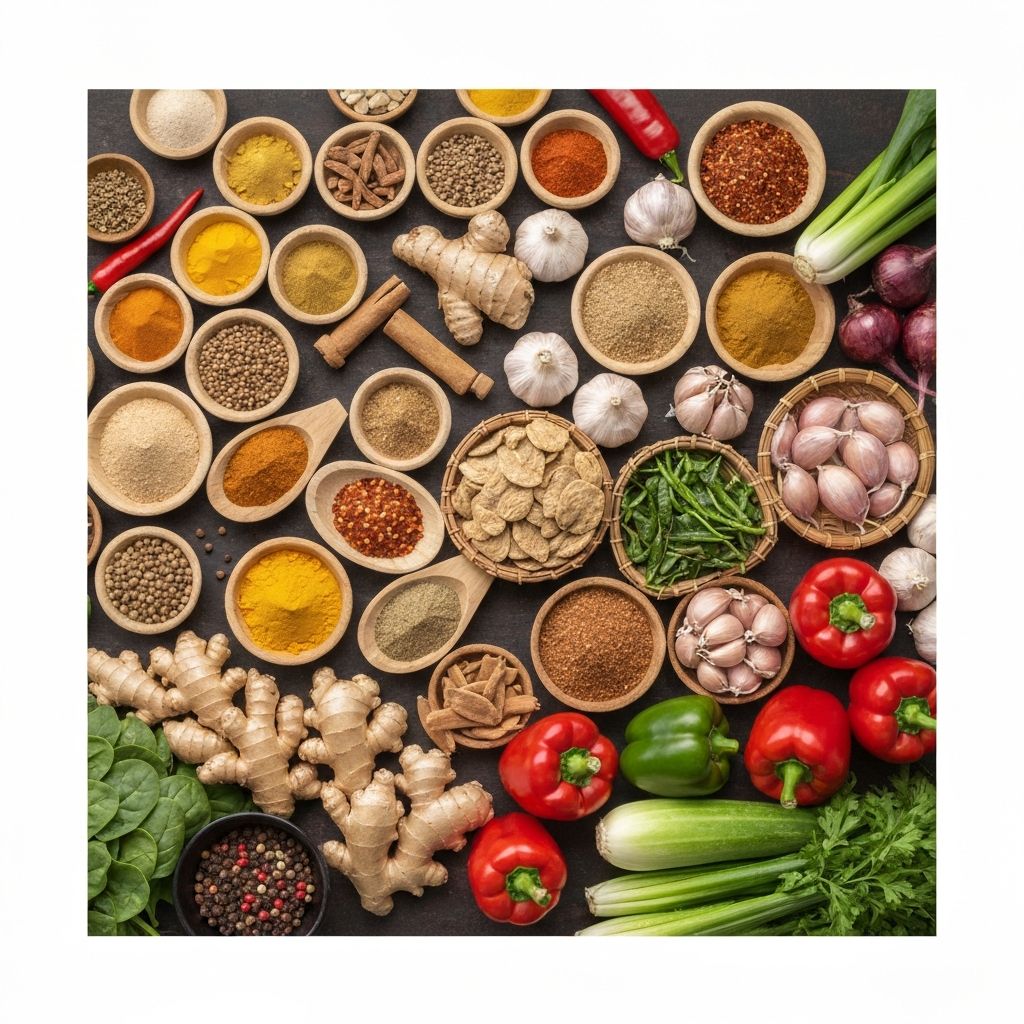
Indonesia has a rich heritage of using local plants and spices in daily nutrition. Ingredients like turmeric, ginger, and various tropical fruits have been staples for generations.
Traditional Indonesian cuisine emphasizes fresh ingredients, herbs, and balanced flavors. These practices reflect both nutritional wisdom and cultural identity.
Global Perspectives
Around the world, different regions have identified local plants and foods with particular properties. This diversity illustrates the variety of approaches to natural nutrition.
Understanding cultural context enriches knowledge about how natural ingredients fit into daily life and community practices.
Limitations and Context
Educational content only. No medical services. No promises of outcomes.
This website provides educational information about natural ingredients and lifestyle concepts. The content is designed to explain topics and provide context, not to offer personal advice or recommendations.
Important Considerations
- Information presented here is general in nature and does not address individual circumstances
- Natural ingredients affect people differently based on numerous factors
- This resource does not provide medical, therapeutic, or diagnostic information
- Readers should make personal decisions based on their own situation and professional guidance
- The content reflects current understanding as of January 2026 and is subject to ongoing research
The purpose of this educational resource is to explain concepts and provide information for knowledge purposes. It does not replace personalized professional advice or individual assessment.
Frequently Asked Questions
What is the purpose of this educational resource?
This resource provides educational information about natural ingredients, nutrition concepts, and lifestyle factors. The goal is to explain topics and offer context for understanding how natural components fit into daily life.
Does this site provide personal recommendations?
No. The information presented is general and educational. It does not constitute personal advice, recommendations, or guidance for individual circumstances. Readers should make decisions based on their own situation.
Who can benefit from this educational content?
Anyone interested in learning about natural ingredients, nutrition concepts, and lifestyle factors may find this information useful for educational purposes. The content is designed to be accessible and informative.
How often is the content updated?
Educational content is reviewed periodically to ensure accuracy and relevance. Nutritional science is an evolving field, and new research may provide additional insights over time.
Can I share this information with others?
Yes, this educational resource is designed to be informative and shareable. Readers are welcome to share knowledge and discuss these topics in appropriate contexts.
Further Reading
Expanding knowledge about natural ingredients and nutrition involves exploring various sources and perspectives. Scientific literature, cultural studies, and practical guides all contribute to comprehensive understanding.
Recommended Topics
- Nutritional biochemistry and metabolism
- Ethnobotany and traditional plant use
- Food science and ingredient interactions
- Cultural approaches to wellness and nutrition
- Evidence-based nutrition research methods
Continued learning helps build a nuanced understanding of how natural ingredients function in biological and cultural contexts.
Learn more
Explore More Information
Continue your educational journey by exploring additional resources and topics related to natural ingredients and lifestyle.
Read more